
Leverage Components
Law Enforcement for Sustainable Viable Ecosystems and Biodiversity Resilience through Multi-Sectors Engagement (LEVERAGE) works through 4 (four) components
Strengthening the law enforcement system by reinforcing policies, regulatory frameworks, and integrated law enforcement governance related to wildlife.
Promoting effective collaboration among stakeholders in wildlife protection. This is pursued through various efforts to strengthen institutional capacity and the coordination of law enforcement related to wildlife and biodiversity protection.
Protecting wildlife habitats, preventing biodiversity loss, and controlling the risk of zoonotic diseases. Through these activities, critical wildlife habitats are expected to be effectively managed and protected, and wildlife supply chains managed to reduce the risk of zoonotic disease transmission and safeguard human health.
Knowledge exchange to drive transformational outcomes. It is expected to advance knowledge and technology in the law enforcement system and in integrated decision-support systems.
Key Challenges
Challenges and Obstacles in Enforcing the Law Against Wildlife Crime
Gaps in Policy and Regulatory Frameworks
Challenges remain in implementation, harmonisation of implementing regulations, oversight of permits and trade, and the potential abuse of authority.
Limited Conservation Funding
Funding for wildlife conservation is still insufficient and unsustainable. Innovative financing mechanisms are still under development.
Suboptimal Law Enforcement Capacity and Coordination
Cooperation among law enforcement agencies, both national and international, still needs strengthening. In addition, intelligence capabilities, use of technology, cyber patrols, and human resource capacity require further development.
Limited Understanding of Zoonotic Potential and Risks
The trade and consumption of wildlife increase the risk of zoonotic disease transmission. Health surveillance systems and controls at borders, markets and distribution chains still need strengthening, including greater awareness among stakeholders.
Leverage in Action
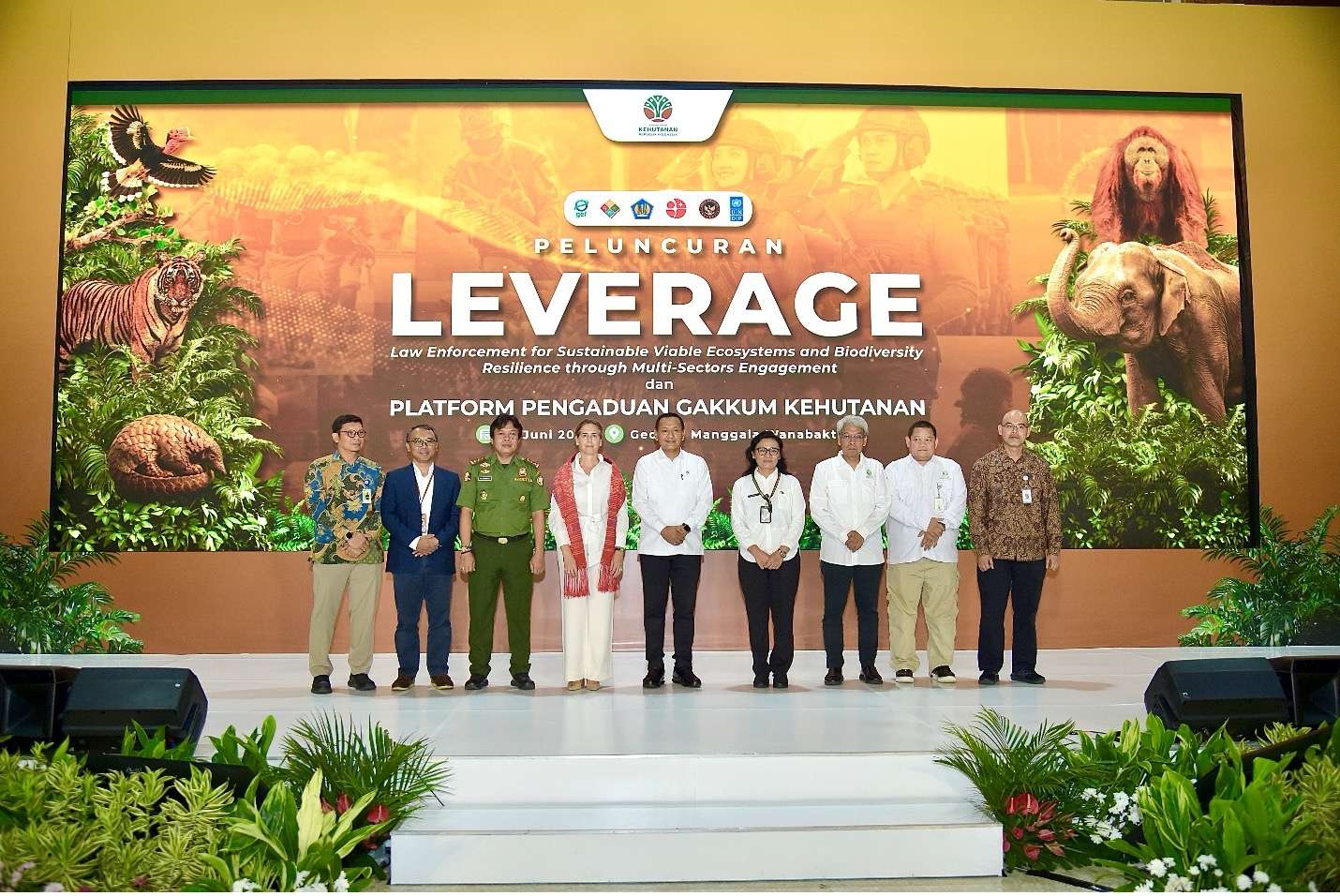
LEVERAGE Officially Launched, Forestry Law Enforcement Enters the Era of Digital Collaboration
2026-06-11JAKARTA - The Ministry of Forestry has launched LEVERAGE (Law Enforcement for Sustainable Viable Ecosystems and Biodiversity Resilience through Multi-Sectors Engagement), a collaborative project, together with a digital Forestry Law Enforcement ...
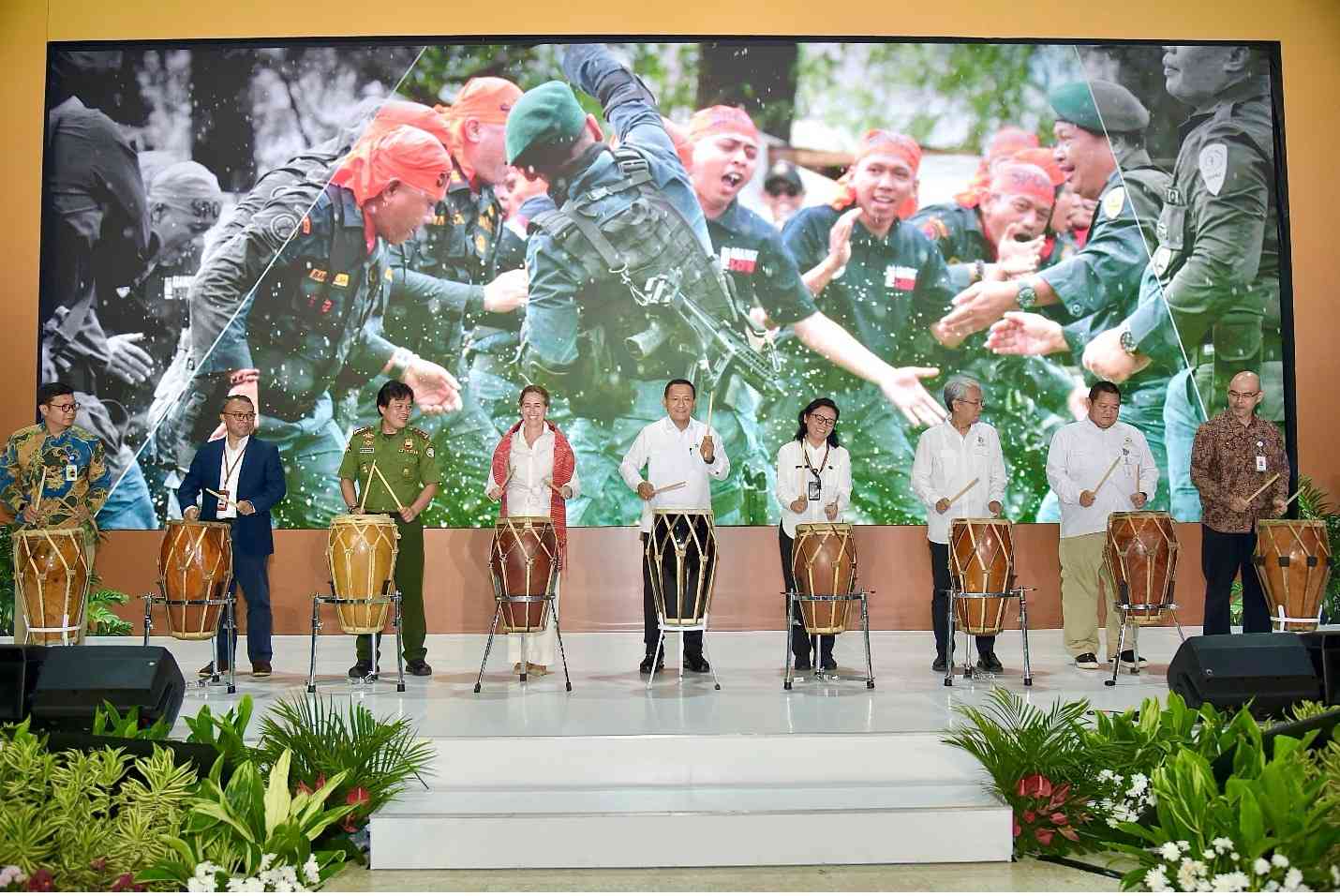
Ministry of Forestry Launches LEVERAGE, Strengthening Forestry Law Enforcement Through Technology and Public Participation
2026-06-11"Jakarta - The Ministry of Forestry (Kemenhut) has launched LEVERAGE (Law Enforcement for Sustainable Viable Ecosystems and Biodiversity Resilience through Multi-Sectors Engagement), a collaborative project aimed at strengthening forestry law ...

Lampung Governor Warns TNBBS Forest Encroachers: Get Out or Face Action!
2026-04-07"Lampung - More than 4,000 encroachers are living and have built houses inside the Bukit Barisan Selatan National Park (TNBBS) forest area in West Lampung. As a result, 7,000 hectares of forest have been damaged. Lampung Governor Rahmat Mirzani ...
Project Achievements
Project Achievements by Component
Project Beneficiaries
Number of People Benefiting from Project Implementation
TOTAL
MEN
WOMEN
YOUTH

Knowledge Hub
- All
- Newsletter
- Books
- Reports
Leverage On YouTube
Profil Direktorat Jenderal Penegakan Hukum Kehutanan Kementerian Kehutanan
Profil Direktorat Jenderal Penegakan Hukum Kehutanan Kementerian Kehutanan Republik Indonesia.
Global Wildlife Program
Humanity is facing a wildlife crisis. Animals around the world are threatened by habitat destruction, and a rising demand for wildlife products has led to massive poaching and trafficking. Each year over 30,000 elephants are poached for their ivory; just 4% of wild tigers remain compared to a century ago; an African rhino is poached every eight hours; and more than 1 million pangolins have been traded illegally since 2000, making them the most trafficked wild mammal in the world. We need to act now. The Global Wildlife Program (GWP) is responding to this crisis. And you can, too.
Global Wildlife Program: Working Together for Wildlife, People and Economies
Biodiversity has become increasingly threatened due to land-use change, overexploitation, and climate change, which has led to a precipitous 68% decline in the population of mammals, birds, fish, amphibians, and reptiles since 1970. The presence of wildlife ensures that an ecosystem can function effectively and provides communities and countries with socio-economic benefits through wildlife-based livelihoods such as tourism. However, wildlife crime is undermining conservation and jeopardizing efforts to develop economic opportunities for communities that live around protected areas.